Supply a lending market
Put shielded USDC to work in a Vesu market, and take it back out.
The product route is /earn; /yield redirects to the same page. You need shielded USDC to start
and public STRK for the fee. Earn is submitted by your own account, so a covered transaction does
not apply.
Rates move, and confirmation moves real value
Rates, utilization, liquidity, and share price are live contract reads, not promises. Supplying or redeeming is a real self-submitted transaction whose account, market, amount, and timing are public on the venue-facing leg. Check every review value before confirming.
Compare the markets first
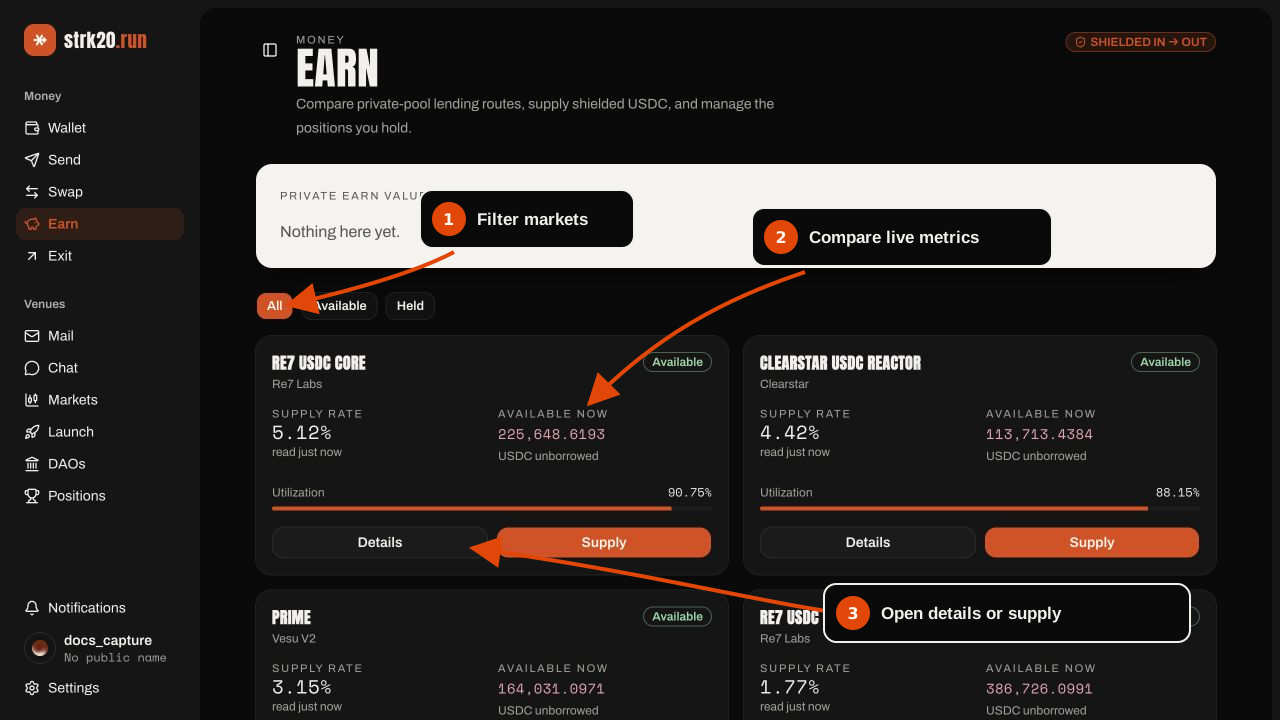
Open Earn. The rail lists every Vesu USDC market with its live supply rate, its available liquidity, and a utilization meter. Nothing here is a transaction, so read as long as you like.
Three things are worth looking at together rather than one at a time:
- The rate. Variable, and read from the market's own contract at the moment shown on the card.
- Utilization. How much of the market is lent out. High utilization is usually what pays well, and it is also what can make leaving harder.
- Available now. The unborrowed USDC sitting in the market. This is the ceiling on what anyone can take out today, yourself included.
The list is not sorted by rate. Sorting by rate would be the app telling you the highest number is the best choice, and it is not.
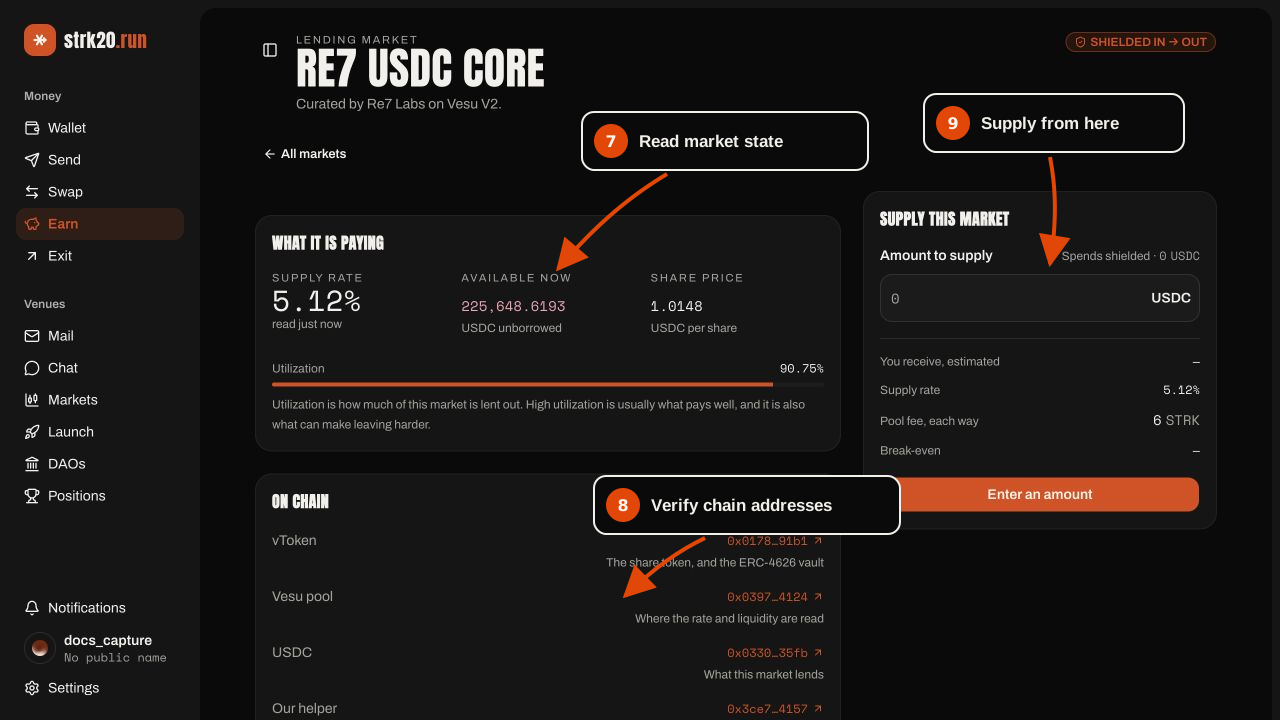
Inspect the market and its addresses
Open Details to see the rate, available liquidity, share price, utilization explanation, and the deployed vToken, Vesu pool, USDC, and helper addresses. The address links are there so you can check the exact venue rather than trusting a display name.
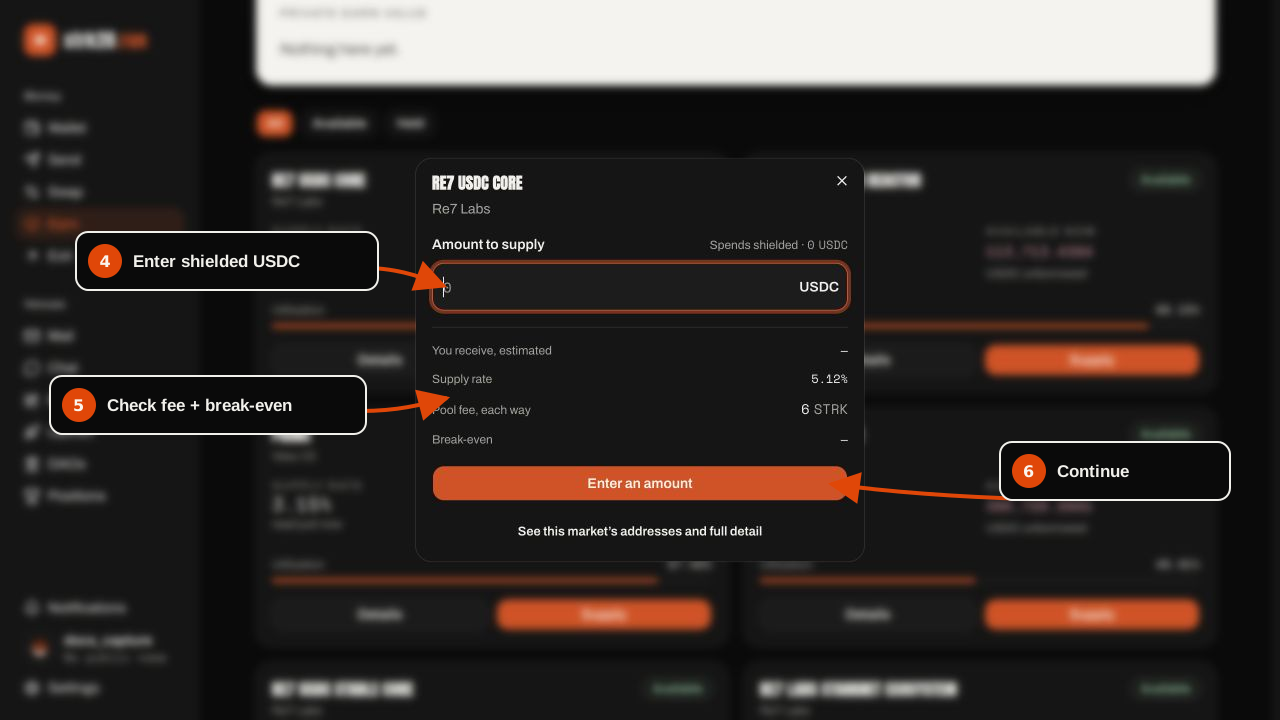
Enter the amount and read the cost
Pick a market and the panel opens on Supply. The quick amounts are 25/50/75/max of your actual shielded USDC balance, so the buttons work whatever you hold.
Before you confirm, the panel shows what you would receive as an estimate, the pool fee, and the break-even — how long at the current rate before the yield covers the fee in both directions. On a small deposit that number can be months. It is there because it is the part of the decision the rate alone hides.
Review and confirm
Review, then confirm. One transaction: the USDC leaves the pool to our helper, the helper supplies the market, and the shares come back as a private note.
The progress sheet shows build, proof, submission, and confirmation. If it reaches confirmation unknown, keep the hash and check the chain before retrying; the transaction may already be included.
Return to the position later
The position appears on Earn and on Positions, aggregated per market. You do not need this browser to find it again — the position is the note, so a cleared browser or a new device holding the same account rebuilds it from the chain.
While a supply is maturing the pool has not yet made the new note spendable; that is normal and the surface says which stage it is in.
Redeem shares back to shielded USDC
A Redeem tab appears once you hold something. It spends shares, not USDC, so the quick amounts are percentages of your share balance and the estimate below shows the USDC that would come back.
Two things to check:
- Redeemable now may be less than the position is worth, if the market has lent out more than it currently holds. The panel shows both numbers.
- A paused market refuses new supply but still lets you redeem. The banner says both halves.
Move between markets only as two transactions
Moving is two transactions with two fees, and the plan says so up front. After the first leg your money is shielded USDC — you can supply the new market, or stop there and keep it.
If the first leg finishes in an unknown state, the second is held back until the chain settles the question. Nothing retries on its own, because a redemption sent twice is a real way to lose money.
The full contract and note path is in how Earn works.