Use Launch
Read a live token sale, create an epoch curve, buy whole units and recover the terminal bearer payout.
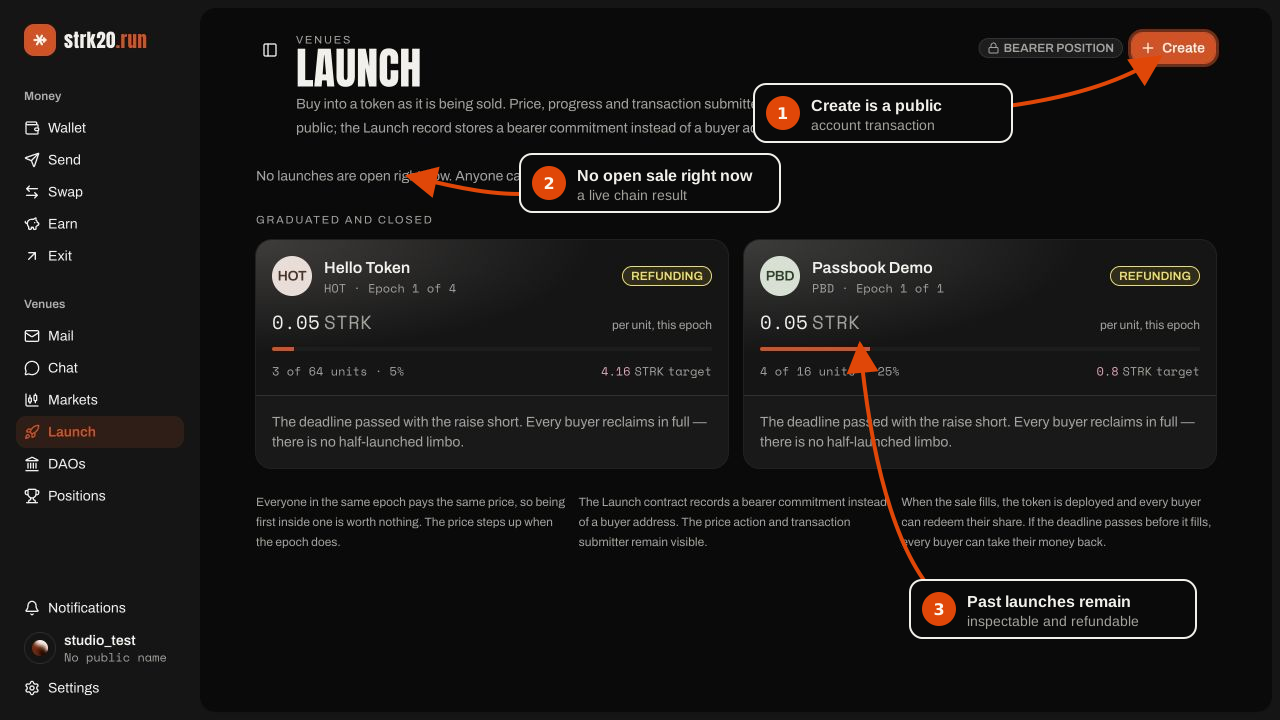
The captures below show the mainnet Launch surface on 3 September 2026. At that moment no sale was open and two past launches were refundable. That is a real empty-live state, not a fixture; a later visit can show different launches and prices.
The orange final action broadcasts
Creating and buying are real transactions. Creation is a direct account call; a buy spends shielded STRK through the pool. Do not press Launch it or the final buy confirmation until the names, curve, amount, public disclosures and submitter are correct.
Read the board before acting
Open Launch at /launch. The board separates sales still accepting buys from graduated or
closed records. Each card shows the current epoch price, units sold, target and phase. The footer
states the two important boundaries: buyers hold bearer claims, while price action and the
transaction submitter remain public.
Define the token and the epoch curve
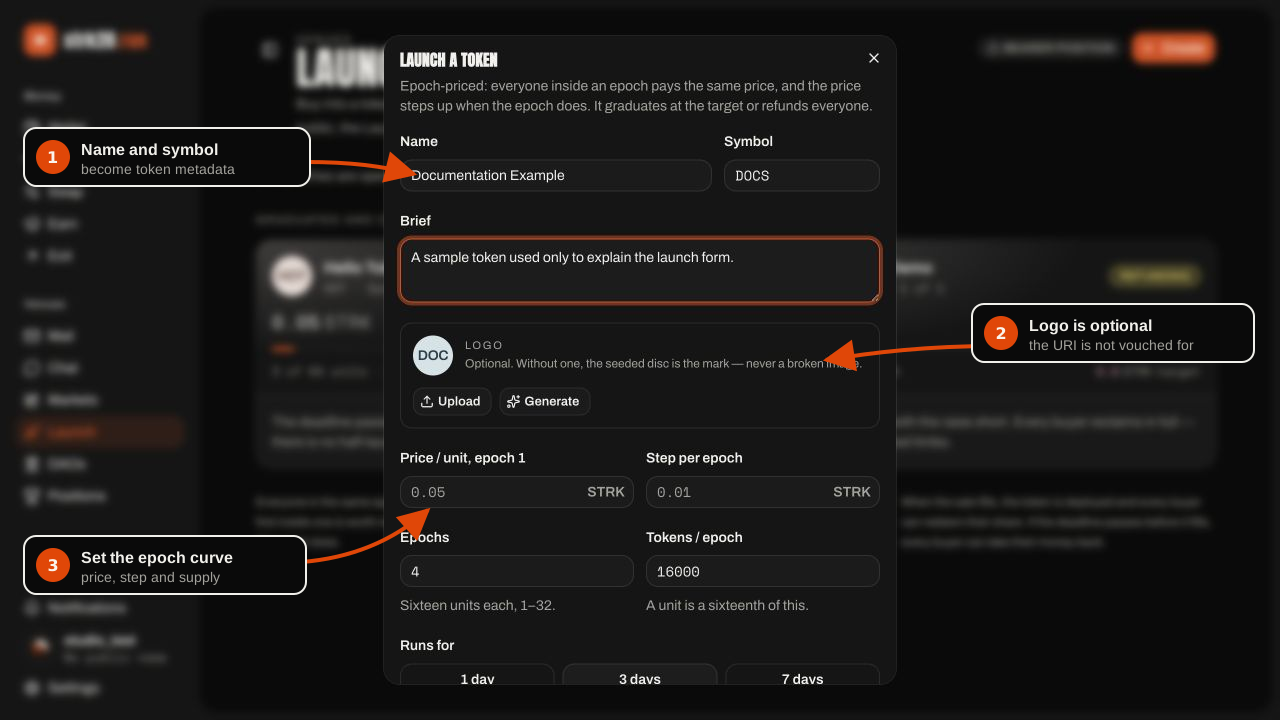
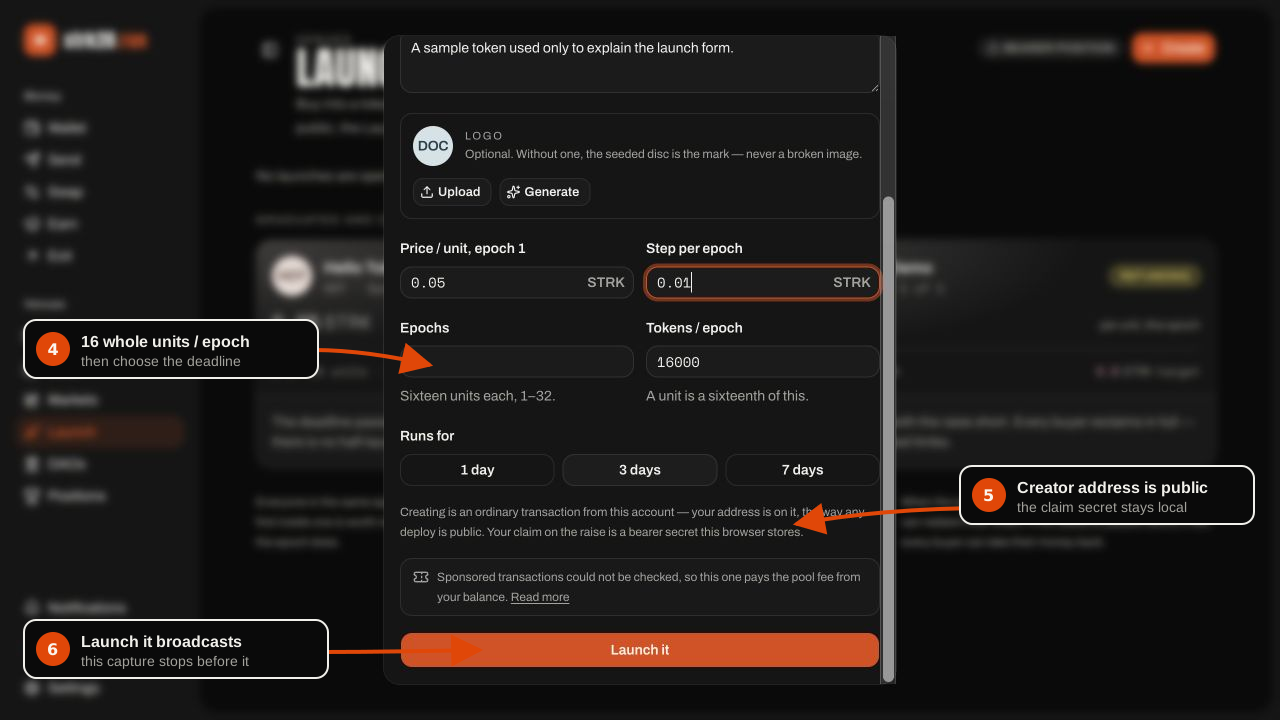
Press Create. Set the name and symbol, then choose the first epoch's price, the price step, epoch count, tokens per epoch and deadline. Every epoch contains 16 whole units; a unit is one sixteenth of that epoch's token allocation.
The logo is optional. Uploading or generating one prepares an image in the browser, then the app tries to pin it before the chain transaction. If pinning is unavailable, the seeded token mark is the deliberate fallback. The contract stores a URI and checks its length, but does not inspect the content behind it.
Read the creator boundary before launching
The lower form repeats the epoch structure and names the submission boundary. By default, the creator's account signs and pays; choosing a covered transaction makes the relayer the visible submitter and spends one allowance. Either way, creation is not a pool-funded buyer action.
The browser stores a creator secret before broadcasting and sends its commitment. That secret—not the submitting account—controls the later sweep of a successful raise. Launch it is the final broadcast button; there is no second review sheet after it.
Buy whole units from an open sale
Open a selling launch and choose Buy. The contract's quote_buy returns the total STRK cost for
the chosen whole-unit count, including any units that cross into the next epoch. The review shows
units, shielded cost, tokens due at graduation and the submitter choice.
Before submission the browser creates and stores a separate buyer secret. The pool spends the shielded STRK and calls the Launch contract in the same transaction. The public event contains the epoch, unit count, cost, sold count and commitment; it does not carry a buyer-address field.
There was no open mainnet sale during these captures, so this guide does not fabricate a buy-panel screenshot. The architecture page documents the exact path from the implemented form and contract.
Follow the sale to its real terminal state
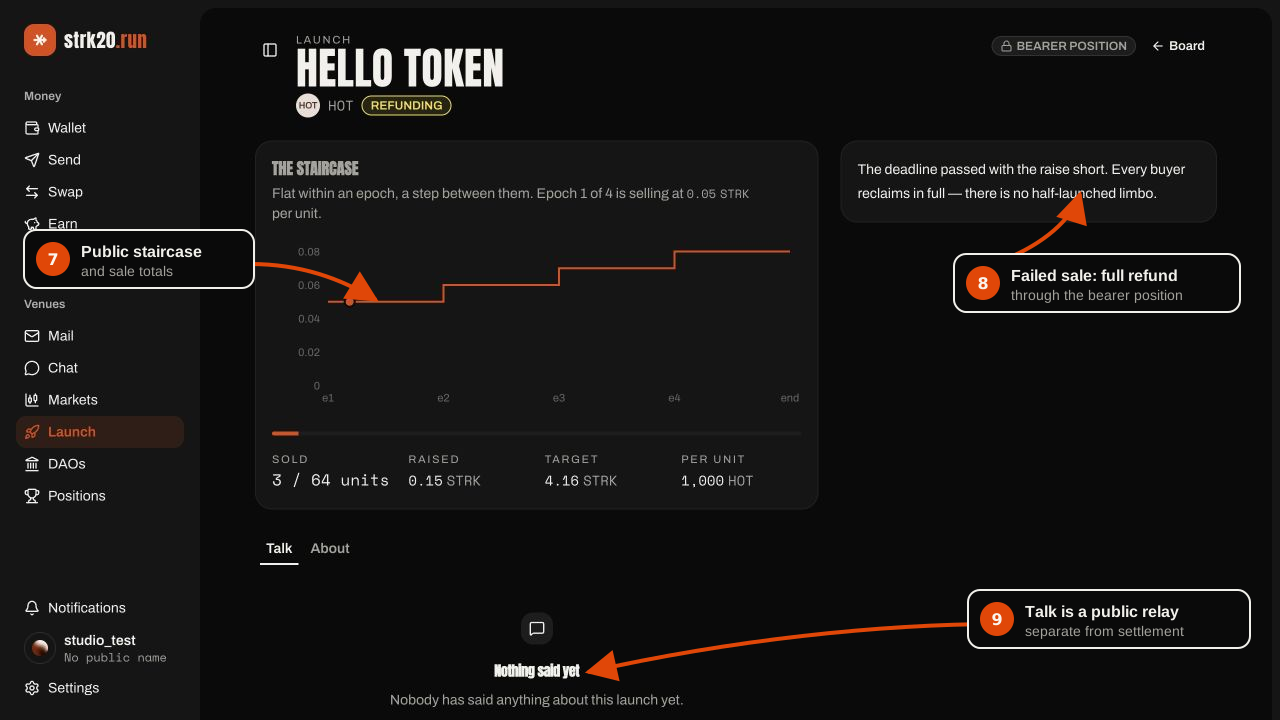
A detail page shows the public staircase, sold count, amount raised, target and tokens per unit. If every unit sells, anyone may graduate the launch. Buyers then redeem with their bearer secrets and receive launch tokens as new pool notes. The creator separately sweeps the raised STRK to a named public address.
If the deadline passes short, the first eligible refund marks the launch failed—no keeper has to do it first. Each buyer then reclaims exactly the STRK recorded on that position.
Keep Talk separate from the sale
The Talk tab is a public room derived from the launch id. It uses the relay, keeps a bounded in-memory backlog and can be read by anyone on the page. Posting does not buy a unit, alter the curve, graduate a token or settle a position.
For both state machines and every public/private boundary, see Markets and Launch architecture.